Ramadhan in Japan: What It’s Like for Muslims Here

Ramadhan is the holiest month in Islam—a time of fasting, prayer, and self-reflection observed by millions of Muslims worldwide. But what is it like to experience Ramadhan in Japan?
Fasting in Japan: The Challenge of Changing Seasons

Unlike tropical countries like Indonesia, Malaysia, or Singapore, where fasting hours remain the same year-round, Japan’s seasonal shifts make Ramadhan a different experience each year. Fasting hours in Japan vary depending on the season.
For Ramadhan 2026, which falls between the end of winter and early spring, suhoor is usually around 4 AM, while iftar happens around 6 PM. This year’s fasting duration is relatively moderate compared to fasting in the summer (when the sun sets much later).
Those who have observed Ramadhan during the summer understand how challenging it can be. Some years, Muslims in Japan are required to fast for as long as 16 to 17 hours!

A Regular Day for Everyone Else
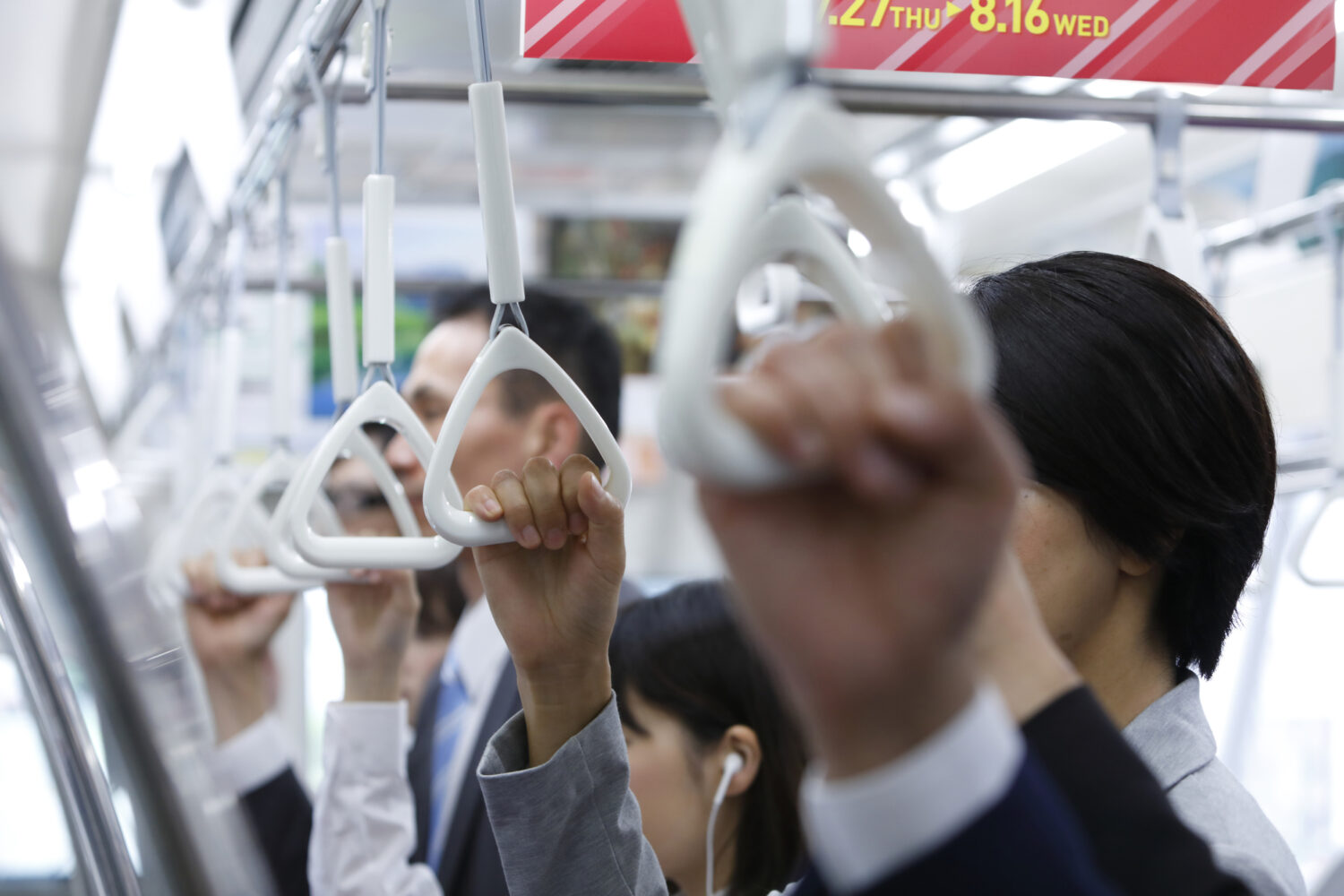
One of the biggest differences about Ramadhan in Japan is that, unlike in Muslim-majority countries, there is no national Ramadhan atmosphere. Business hours remain the same, and you won’t see special Ramadhan promotions on TV. Daily life continues as usual.
Since Ramadhan isn’t widely known in Japan, it’s common for coworkers or classmates to invite us for lunch or offer snacks during fasting hours. Moments like these often turn into opportunities to share a little about Ramadhan and our experiences with fasting.
There are also no special Iftar deals at restaurants or suhoor options at hotels, so many Muslims prepare their own meals at home or gather at mosques for iftar. Some communities also organize Ramadhan events, offering a chance to connect with others fasting in Japan.
Finding Halal Food & Iftar Options

Finding Halal food for iftar in Japan used to be a challenge, but things have improved over the years. More supermarkets and international stores now carry Halal products, and some mosques and Muslim organizations arrange iftar gatherings. Recently, we’ve also seen more Halal restaurants opening up.
In cities like Tokyo, Osaka, and Kyoto, there are a few Halal restaurants—nothing like the bustling Ramadhan bazaars or buffet spreads in places like Malaysia, but still great spots to enjoy iftar with friends and family.
If you’re looking for a place to break your fast, here are some Halal restaurant recommendations you might want to check out:
By the way, if you’re looking for Halal Japanese snacks or treats to enjoy after iftar, Halal Souvenir Shop JAPANeid Osaka is currently having their Ramadhan Sale!

This is your chance to get:
🌏 5% OFF overseas shipping (Apply code upon checkout: REID2026 )
🚚 Get FREE local delivery within Japan for purchases over 15,000 JPY (Apply code upon checkout: RJP-2026 )
✨ Grab discounted clearance items (up to 95% OFF!)
🎁 Claim 1 FREE gift with every purchase
Click below to learn more about JAPANeid Halal Souvenir Shop Ramadhan Sale
Iftar at Masjid

Mosques and Muslim communities play an important role during Ramadhan in Japan. They become gathering places not only for taraweeh prayers, but also for iftar get-togethers where Muslims can break their fast together. These gatherings create a warm sense of belonging and support, especially for those who are far from home, making Ramadhan feel less lonely even in a Muslim-minority country.
The Beauty of Ramadhan, Even in Japan

Despite the lack of Ramadhan atmosphere, many Muslims in Japan find beauty in the simplicity of Ramadhan here. Without the distractions of a festive environment, some feel it allows for deeper self-reflection and personal growth. Mosques and Muslim communities play a big role in bringing people together for taraweeh prayers and iftar gatherings, creating a sense of belonging even far from home.
At the end of the day, Ramadhan is about strengthening our faith, regardless of where we are. Whether you’re experiencing Ramadhan in a bustling Muslim-majority country or in a place where you’re one of the few fasting, the essence of this blessed month remains the same.
Have you ever experienced Ramadhan in Japan? Or would you like to?